

Learning for All Children
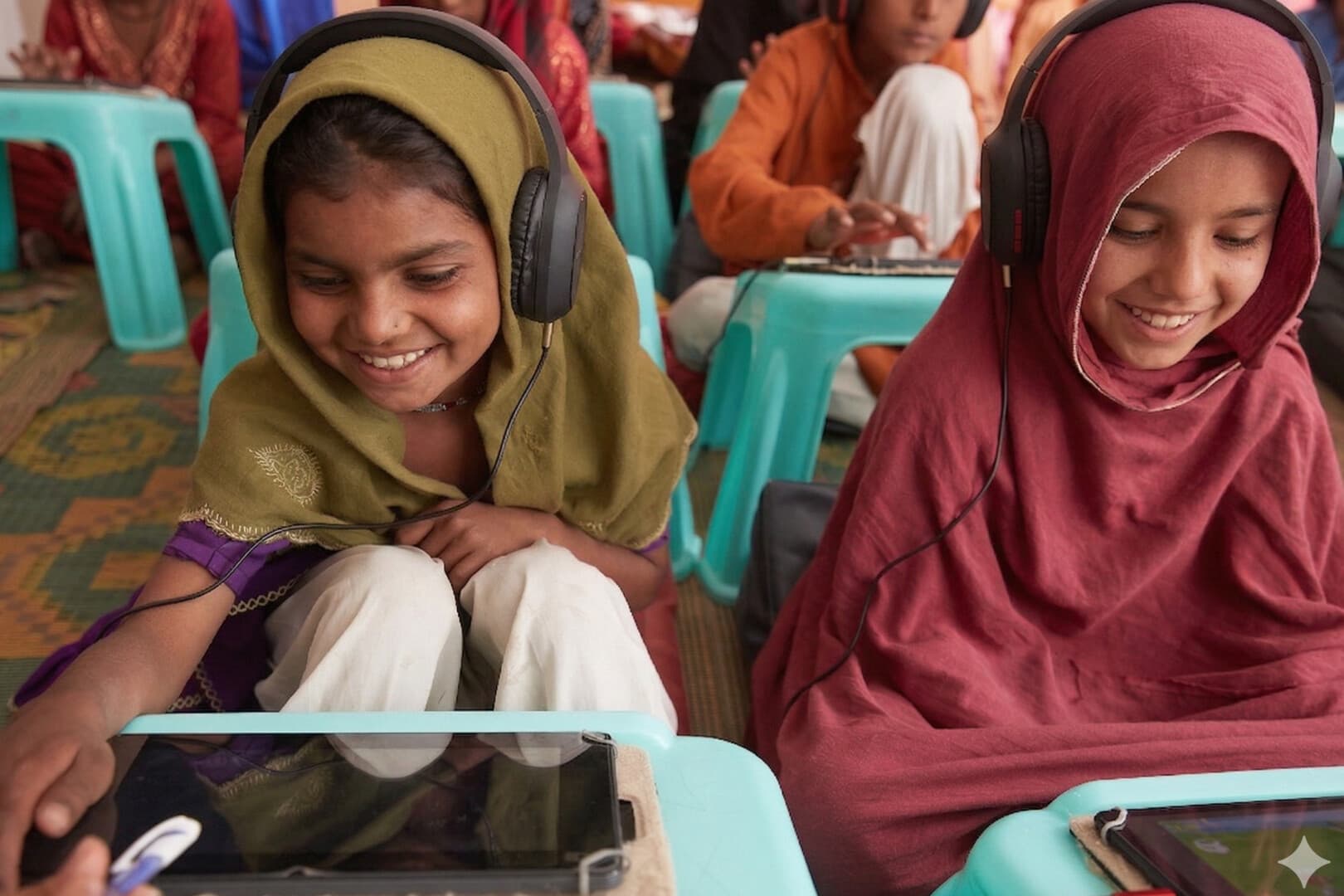
An interactive AI tutor designed to teach all kids - especially the ones that lack access to quality learning from underserved communities around the world.
260 Million Reasons
Why It Works
Child-First, Curiosity-Led
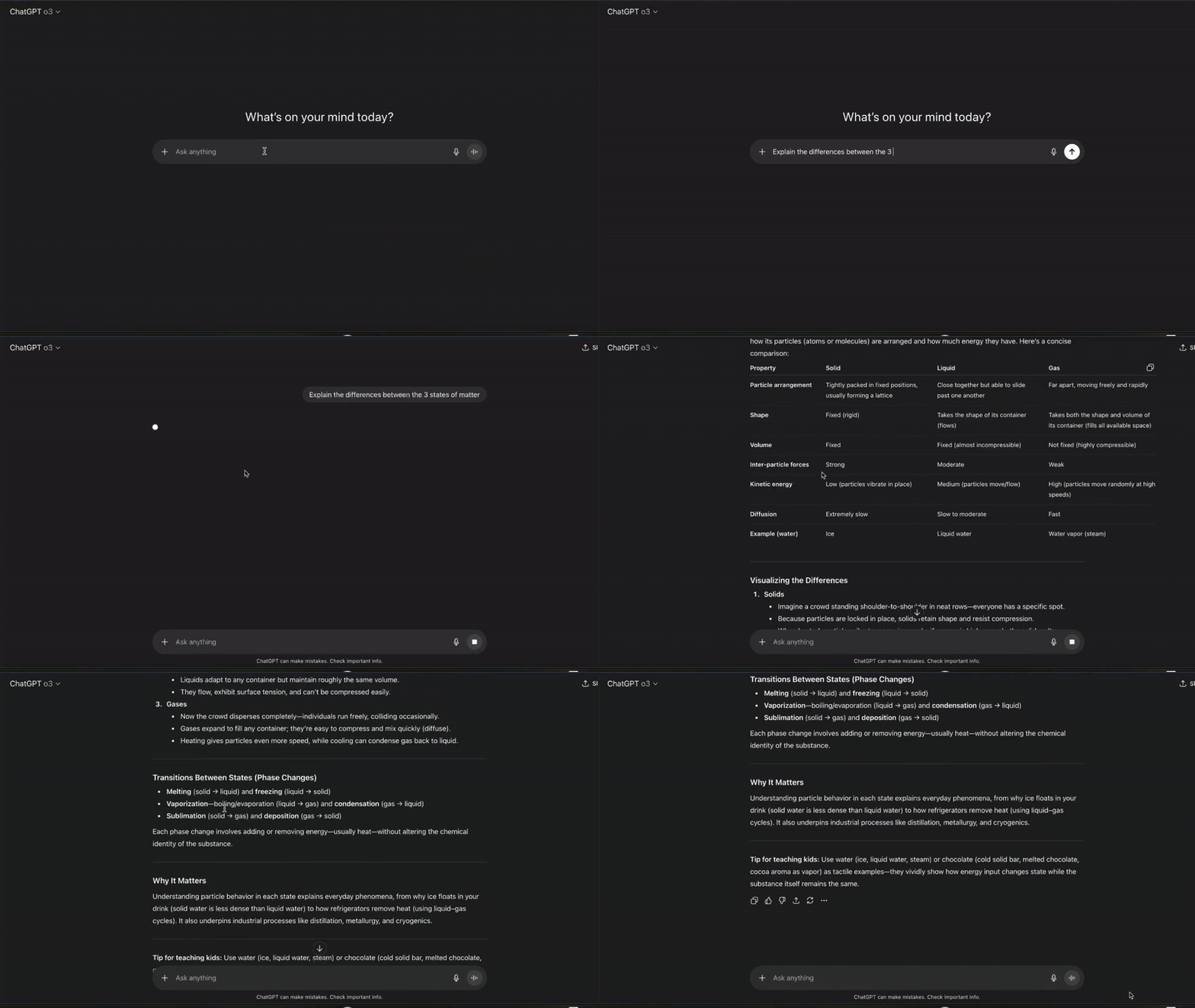
Most AI responds.
LiveGenie teaches.
Meet LiveGenie
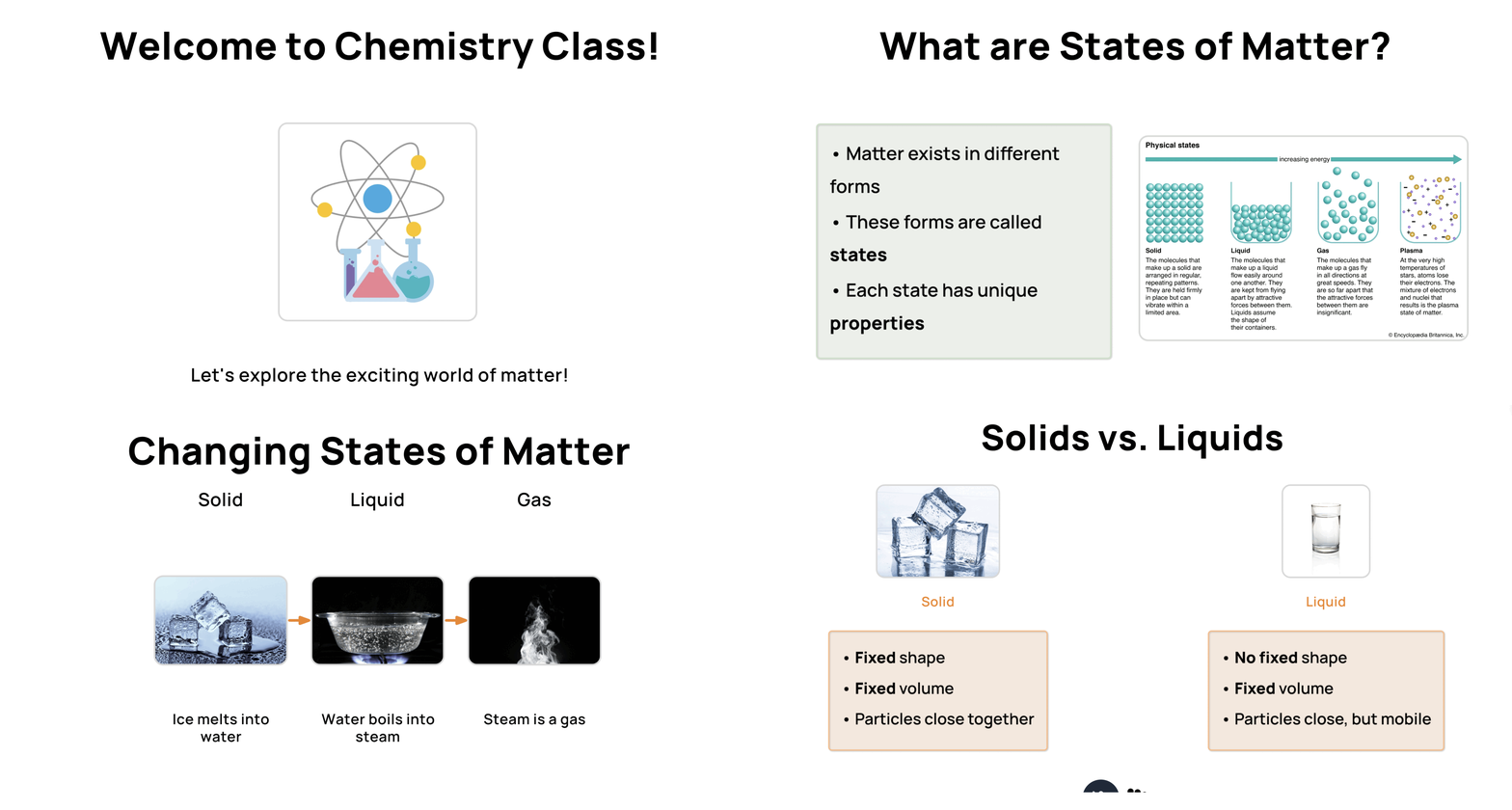
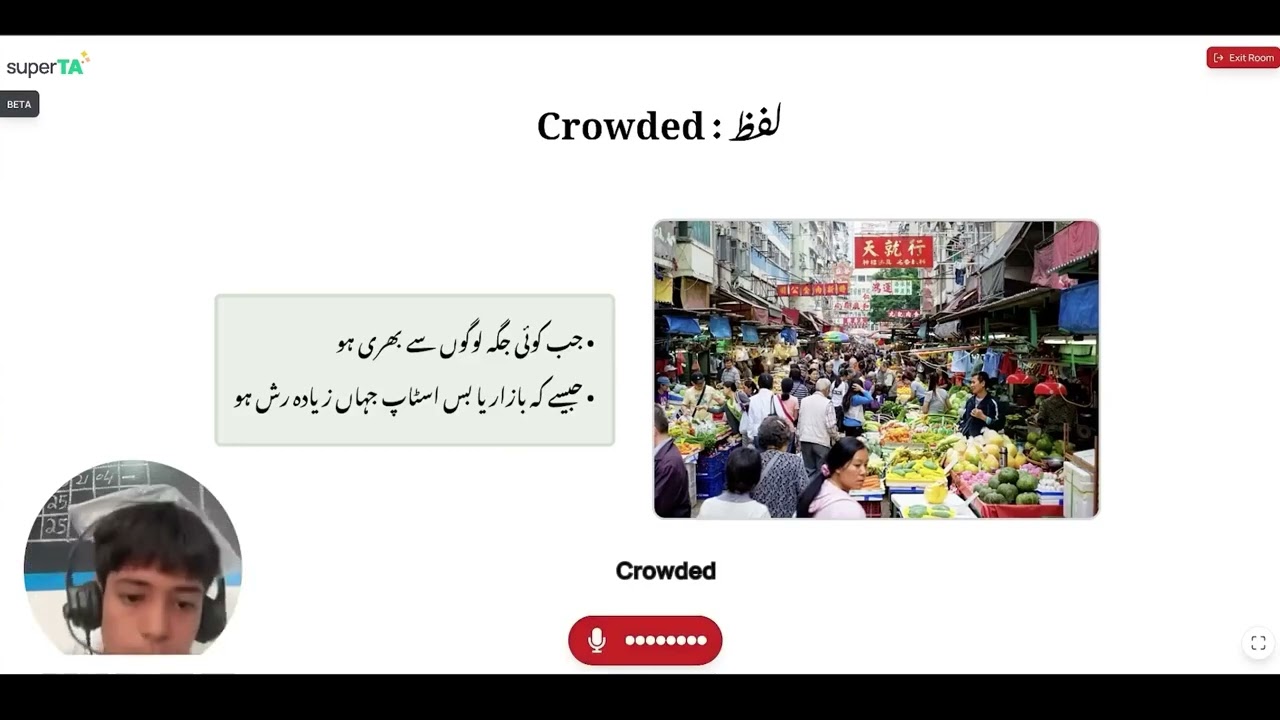
This is what a lesson looks like.
Our Work
Where LiveGenie Is Today
Teach the World Deployment
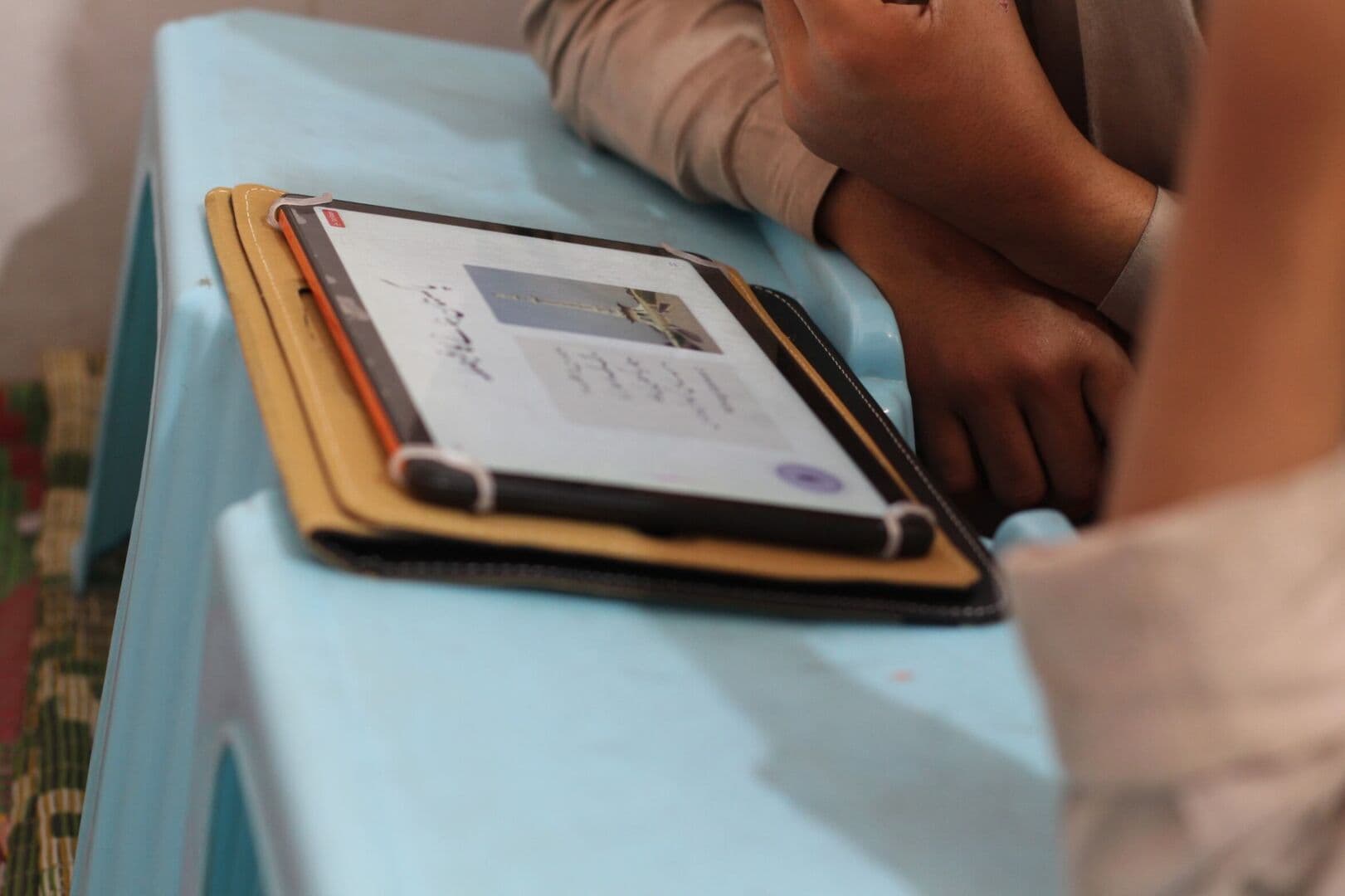
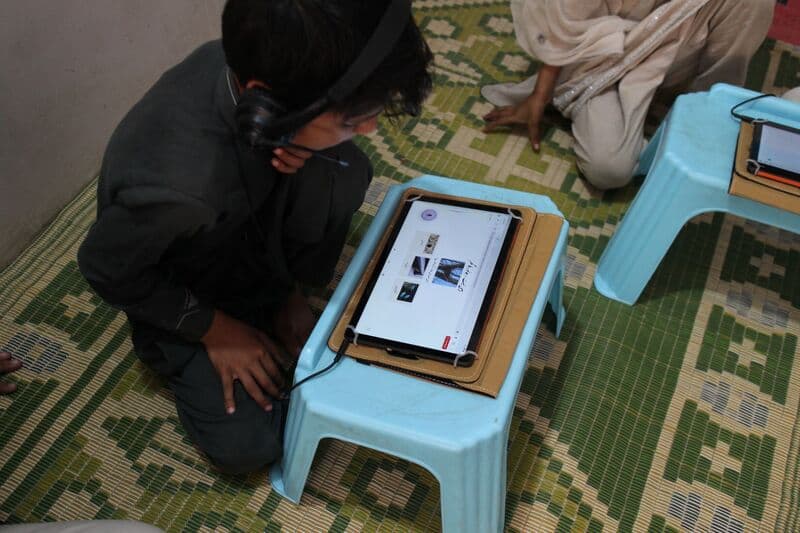
LiveGenie is integrated into Teach the World's digital micro-schools for out of school kids. Teach the World is on track to enrolling 30k out of school students by the end of this year. This partnership is piloting LiveGenie's AI tutor for primary kids in an "AI Center of Excellence" - we plan to test the efficacy of the Multimodal AI tutor across Literacy, Numeracy, General Knowledge and AI literacy.
The Team
Built by Educators

Abdul Ahad
I’ve spent countless years building and scaling products in edtech, working on platforms that have reached millions of learners. With rapid developments in AI, I believe we can transform learning for every child — no matter where they are.
Masters of Education, Harvard · Noon · Teach the World Foundation · Teach For Pakistan

Mariam
My kids ask an exhausting (!!) number of questions. I try to answer as many as I can, because I know that curiosity is one of the most precious things about childhood. After ten years working inside education systems across Pakistan, I also know how so many children never get that — mostly because no one is there to answer. LiveGenie is my drop-in-the-bucket answer to that.
Masters of Education, Harvard · World Bank · Government of Sindh · TCF

Nazir
My background is in building AI-driven products — from agentic systems to large-scale data pipelines. With LiveGenie, the focus was clear: use that technology to create an experience that feels effortless for children. The result is a product that understands, responds, and adapts in real time — making learning feel natural.
BSc Math/CompSci, UBC · Noon · RevSmith
FAQs
We're building in phases. Right now, LiveGenie delivers real-time, interactive audio-visual tutoring — a child can ask anything and get a lesson, not just an answer. Beyond that: offline-capable lightweight models for areas with unreliable connectivity, curriculum-aligned content packs for school systems, and parent/teacher dashboards so the adults in a child's life can see what they're learning.
ChatGPT and other large language models are designed to answer questions. LiveGenie is designed to teach. That difference is architectural, not cosmetic. When a child asks "why is the sky blue?", ChatGPT returns a paragraph of text. LiveGenie builds a lesson — it might start with a visual, ask the child what they already think, introduce the concept through an animation, check understanding with a question, and adapt its approach based on how the child responds.
This is the question we'd ask too. The honest answer: months of intentional architecture work. Pedagogical correctness was built in from the ground up — it's not a prompt layer on top of GPT. Every architectural decision — from how we sequence content, to how we handle misconceptions, to how we manage session memory — was made with a specific pedagogical rationale.
Smartphone proliferation has outpaced almost every other infrastructure metric in the developing world. LiveGenie doesn't require dedicated hardware, school infrastructure, or reliable electricity beyond what's needed to charge a phone. It's built for real conditions: low bandwidth, aging devices, shared phones, first-time internet users.
We're honest about this: right now, the per-session cost is meaningful. But the trajectory is clear — local model deployment, specialised smaller models, and falling compute costs are all converging. In contexts where the alternative is no teacher at all, the cost-per-child for a system that actually teaches is a different equation entirely.
Let's Build This Together
Whether you're a donor, an NGO, or an education organisation — we'd love to explore how LiveGenie can work with you.
Our Partners
